Breath, explained.
One technique, one article. No listicles, no wellness fluff - just physiology, protocol, and contraindications.

The physiological sigh: the technique Stanford studied
Two inhales through the nose, one long exhale through the mouth. Your body does it on its own every five minutes. Done on purpose, it is the technique Stanford tested.

Seven days of breathing: what actually changes
A week transforms no one. But it is not nothing either: here is what genuinely shifts in seven days, and what to expect later on.

Why breathing calms the nervous system
You cannot slow your heart by thinking about it, or decide to digest faster. Breathing is the one exception, and that is exactly what makes it a tool.

Why you quit after three days
You started breathing exercises on a Monday, kept going until Wednesday, then nothing. It is not a willpower problem, and there is a mechanical reason behind it.

How long should you breathe for?
Is one minute enough, or does it take twenty to count? The answer depends on what you are after, and it is shorter than most people assume.
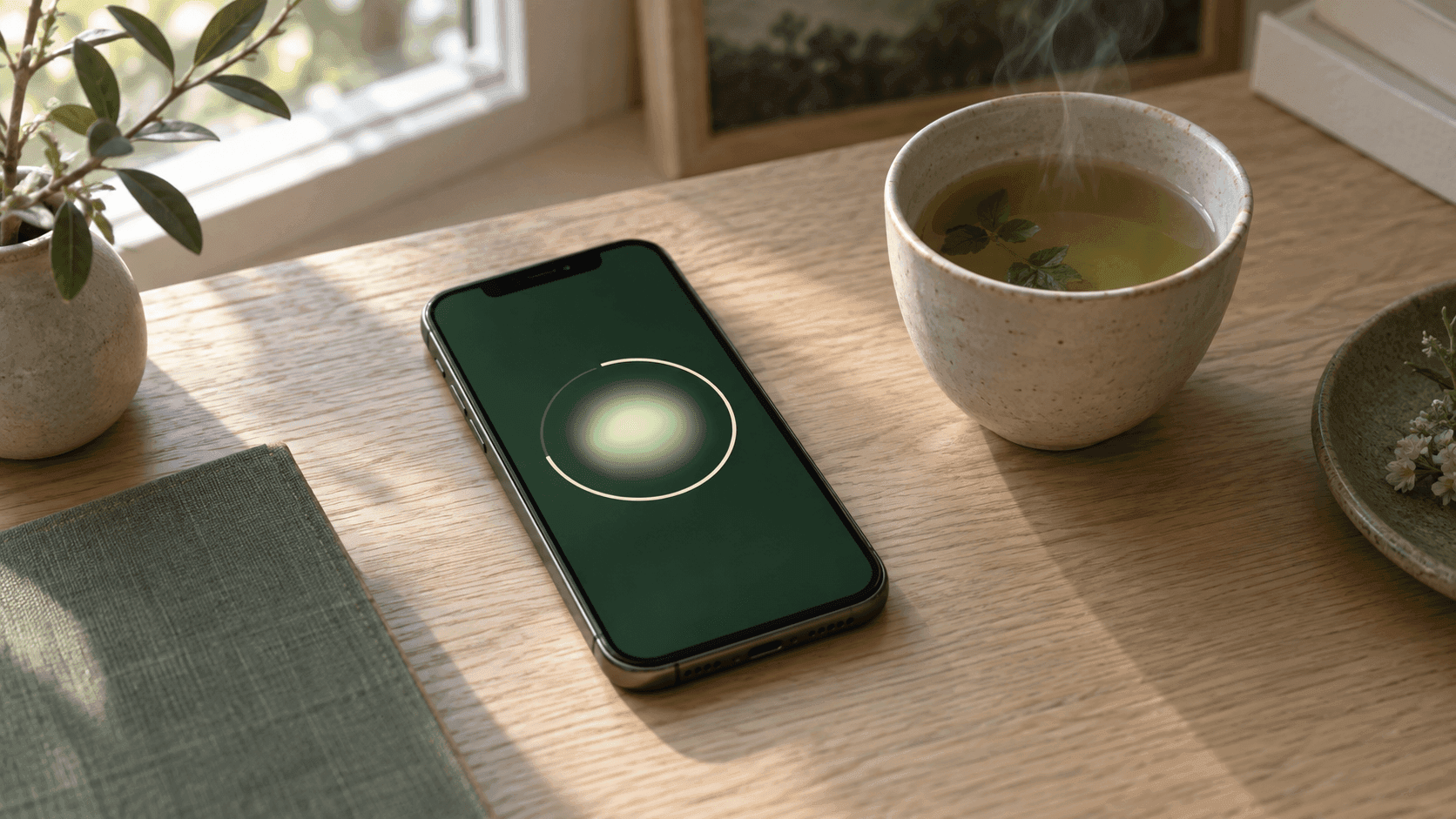
Nasal breathing: why the nose changes everything
Before picking a technique, there is a simpler question: where your breath goes in. The nose filters, warms, humidifies and slows the air - and it is the slowing that does most of the work.

Nadi Shodhana: alternate-nostril breathing
Inhale through one nostril, exhale through the other, then switch. A centuries-old yogic technique, simple to practise, that calms and re-centres in minutes.

4-7-8 breathing: Dr. Weil’s method to fall asleep
Inhale 4 seconds, hold 7, exhale 8. Four cycles, and the nervous system shifts into sleep mode. The most effective technique against onset insomnia.

Box Breathing: the Navy SEAL technique for focus
Four equal beats, four seconds each. The technique used by special forces before action - and equally effective before a presentation.

Cardiac coherence: 5 minutes to calm down
Six breaths per minute for five minutes. The simplest, most-studied, and probably most effective technique against everyday stress.
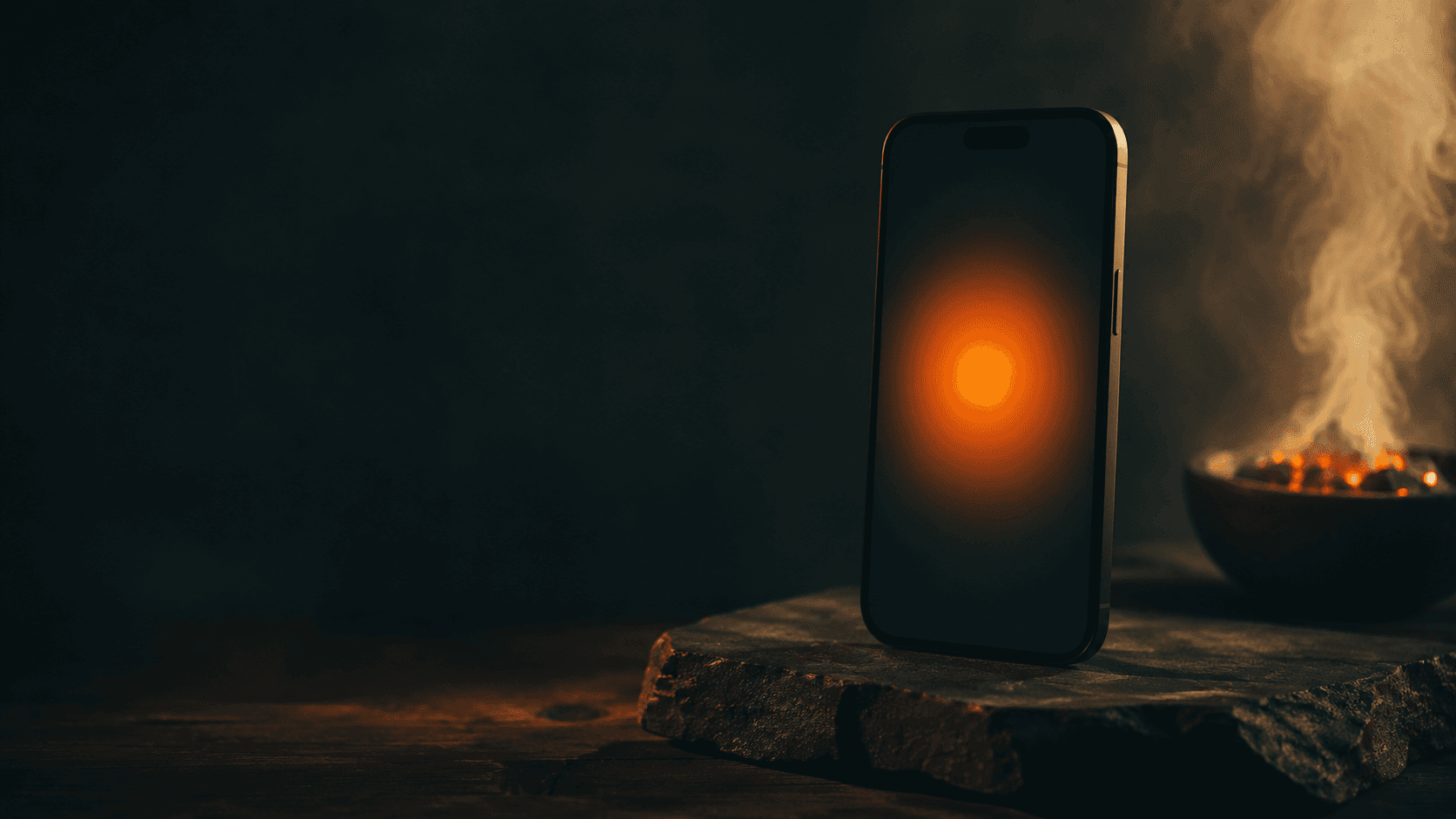
Tummo: the inner-fire breath, explained
A thousand-year-old Tibetan technique now treated as a physiological tool. How it works, who it’s for, and how to begin safely.