Advanced
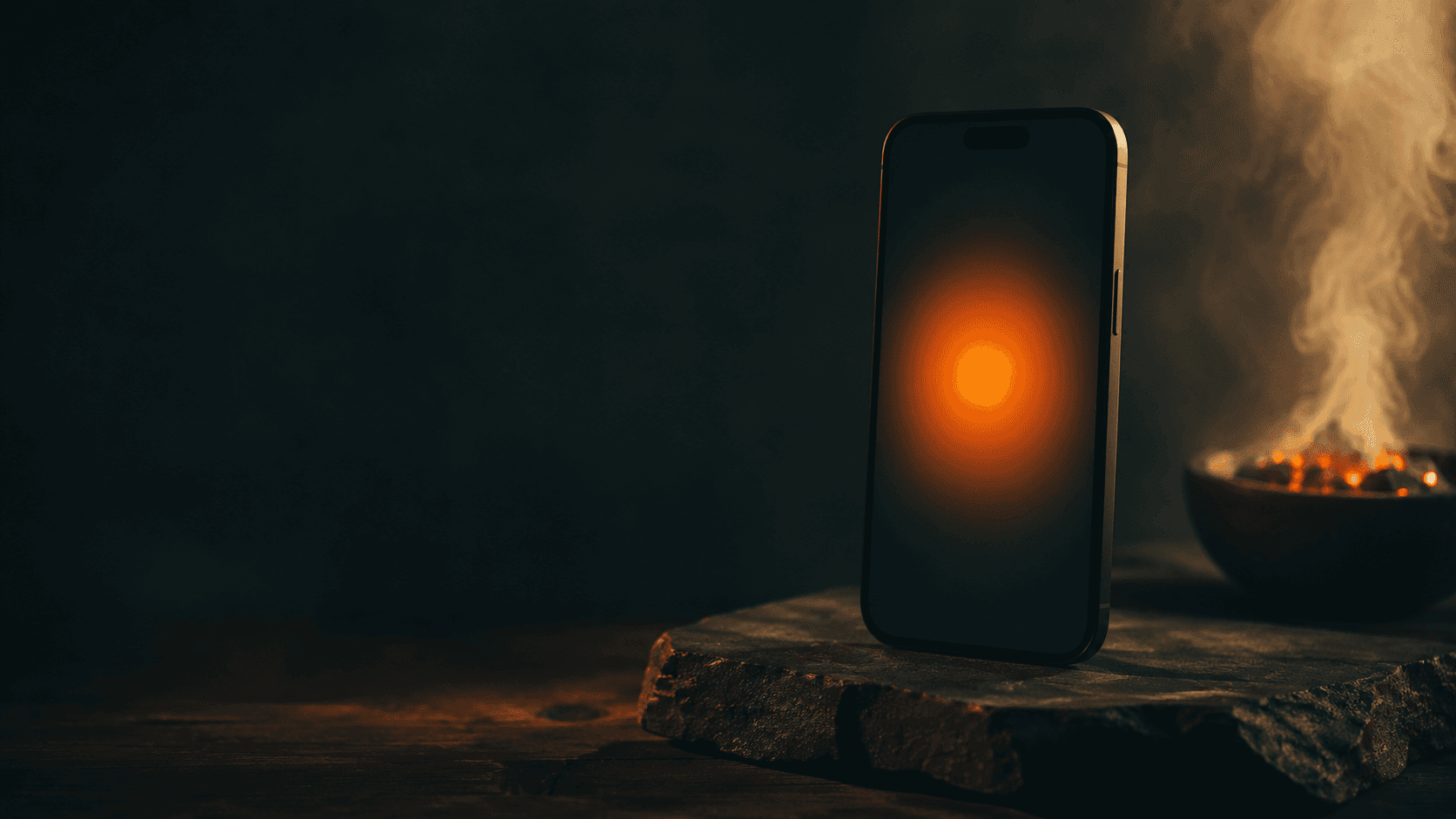
Tummo
7 MIN
Inner fire. Three progressive rounds - 30 fast breaths, an empty-lung retention, then a held inhale. Heat, clarity, nervous-system activation.
You’ve been breathing your whole life. Nobody ever taught you how.
Techniques that shift your body’s state in 2 to 7 minutes. Not a wellness app.
iPhone · Free · Coming soon to Android
Arnasea comes from arnasa, Basque for breath. The one you take without thinking, thousands of times a day.
Basque is one of the oldest languages still spoken in Europe. With no known relatives, already there before Latin arrived, it survived everything.
So did breathing.
Tibetan Tummo and yoga’s alternate nostril breathing have been passed down for centuries. Cardiac coherence and the physiological sigh have been tested in the lab, up to the 2023 Stanford study. Two origins, one criterion: a documented physiological effect.
Arnasea doesn’t reinvent anything. It puts these breathing techniques in your hands, without the noise. They’re free, with no limits.
A few minutes can help you ease stress, fall asleep or focus. Deeper effects take weeks of practice: programmes and progress tracking are there so you keep coming back, without badges or pressure.
The effect, not the decor.
Not content to consume. Tools to use - each for a precise effect on body and mind.
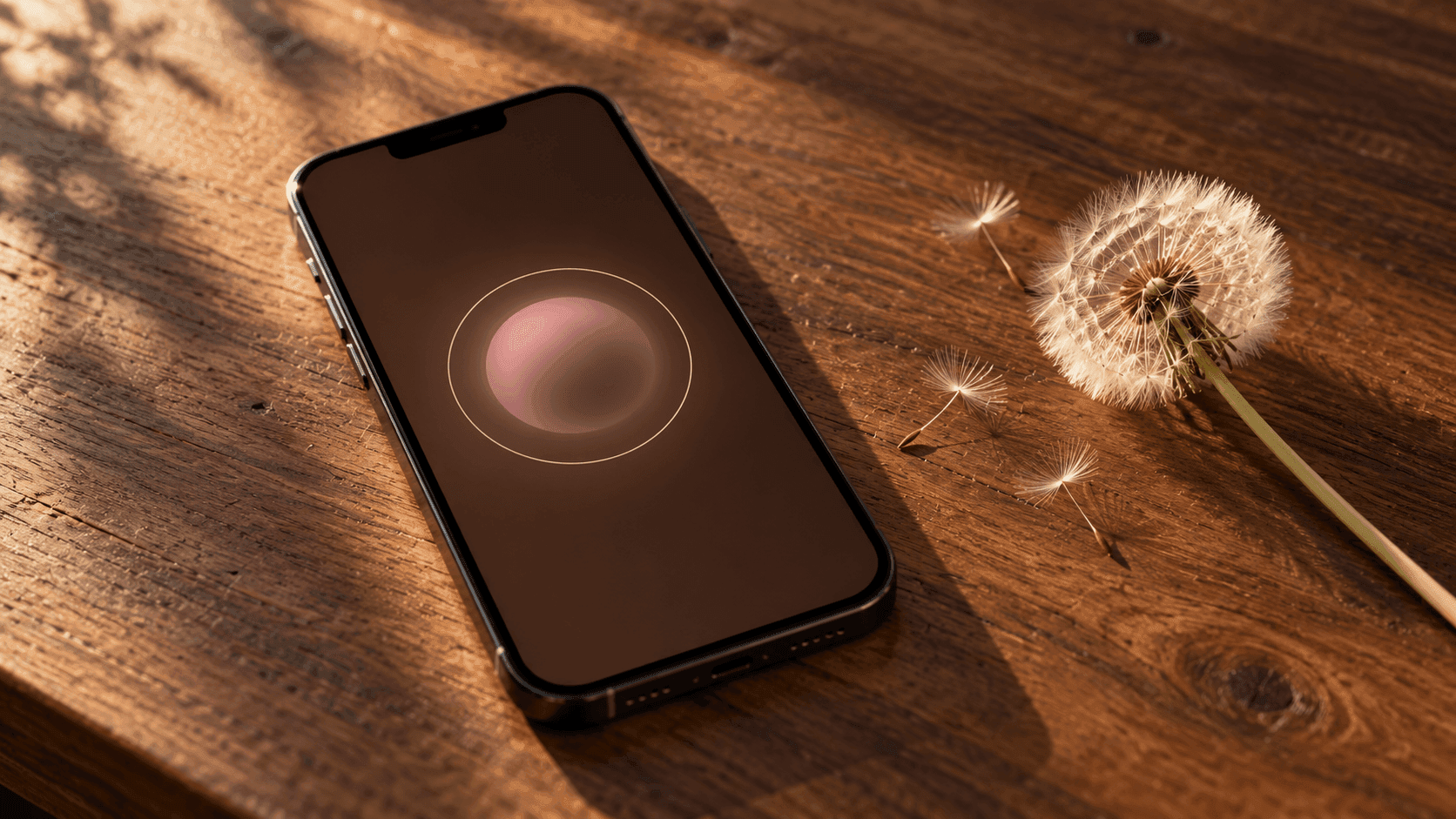
Inner fire. Three progressive rounds - 30 fast breaths, an empty-lung retention, then a held inhale. Heat, clarity, nervous-system activation.
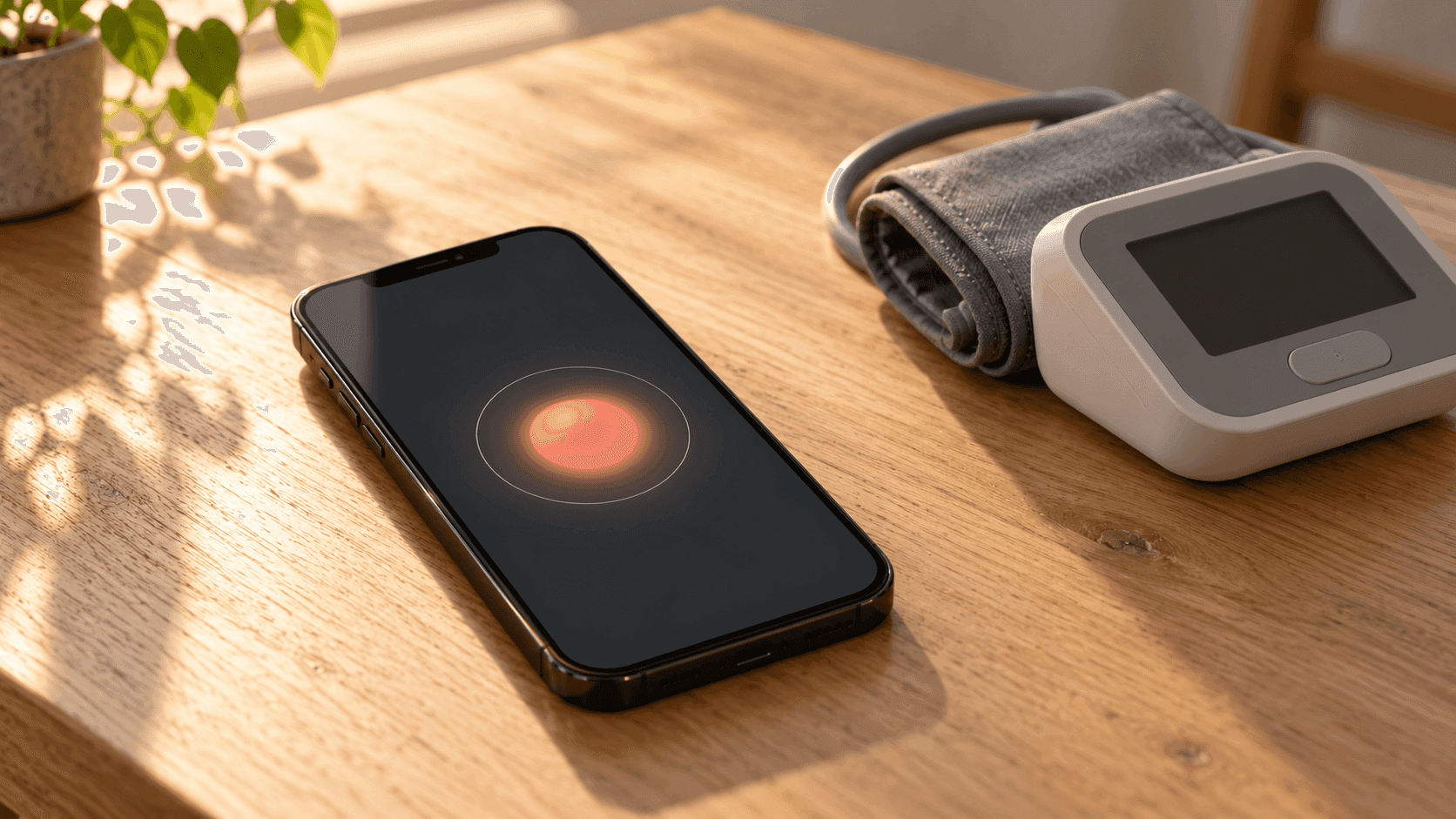
Six breaths per minute. Your heart rhythm settles onto your breath, and calm sets in.
The physiological sigh, on purpose. Two inhales through the nose, one long exhale through the mouth. Five minutes a day, as in the Stanford study (2023).
Alternate-nostril breathing. Inhale one side, exhale the other, then switch. A yogic practice that rebalances and settles the mind.
Four equal beats. Used by Navy SEALs before action. Clarity in two minutes, no prerequisites.
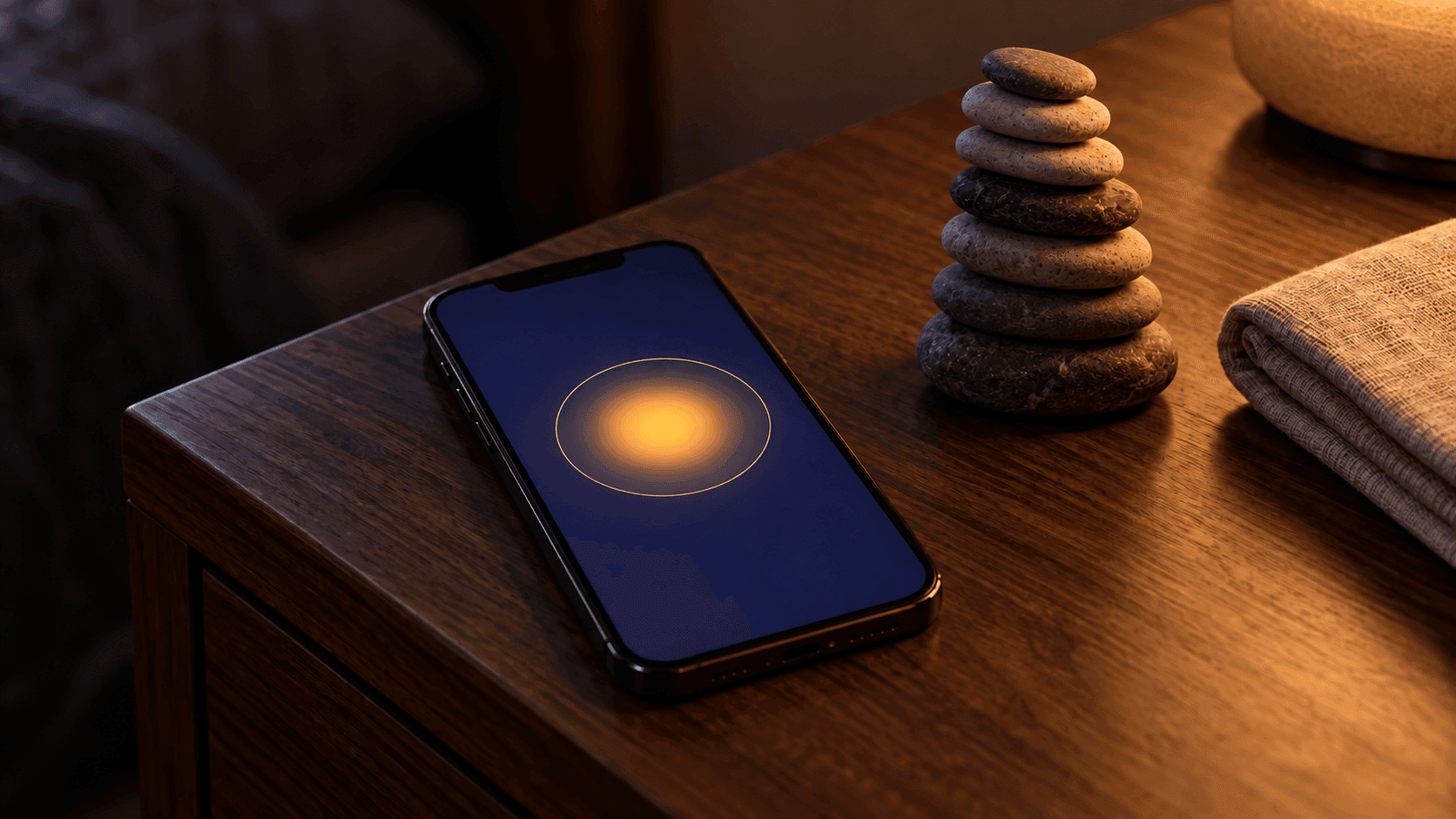
Inhale 4 s, hold 7 s, exhale 8 s. Dr. Andrew Weil’s method. The vagus nerve activates, sleep settles in.
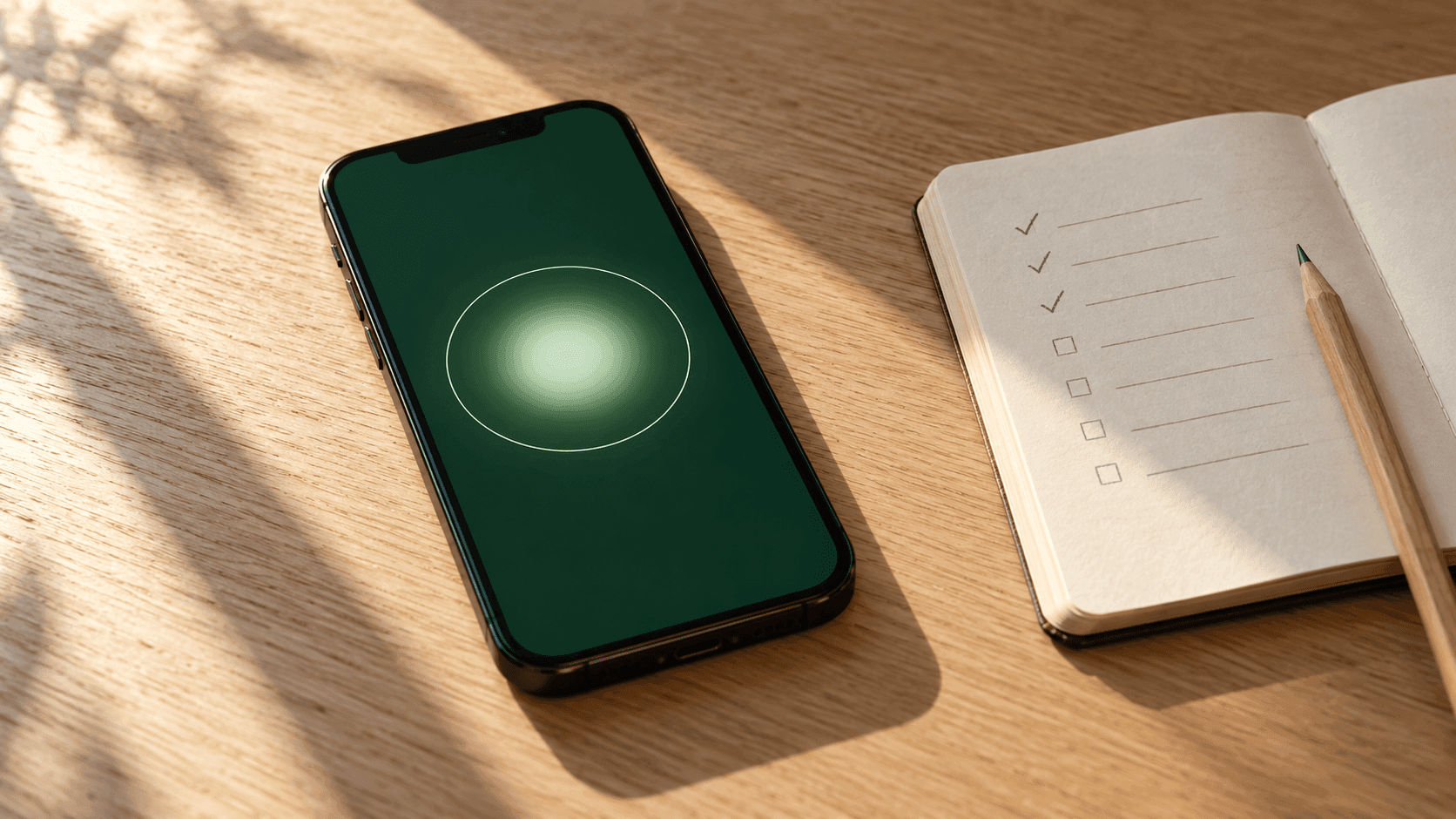
Breathe for every day, Programmes to be guided, Progress to keep the thread. Still dark, still frictionless.
Every technique, eight programmes in full and the opening days of all the others: enough to practise for weeks before the question even comes up.

Seven days free on your first subscription (subject to account eligibility), no commitment. Billing handled by Apple, cancel anytime in iOS Settings. No card required for Free.
An ancient Tibetan technique: 30 rapid breaths, an empty-lung retention, then a held inhale. Arnasea presents it as a physiological tool, not a religious one. Expect warmth, clarity, and nervous-system activation. Contraindicated during pregnancy and for heart conditions; never practice in water or while driving.
Breathing at six cycles per minute: about five seconds in, five seconds out. At this pace, your heart rhythm settles onto your breath, heart-rate variability increases and the parasympathetic nervous system, the one in charge of rest, takes over. It has been studied for more than twenty years in cardiology and psychology.
Cardiac coherence, box breathing and 4-7-8 carry no known risk. Tummo is contraindicated during pregnancy and for heart or respiratory conditions, and must never be practiced in water or while driving. A warning appears before every Tummo session.
Yes. Arnasea is an evolving toolkit. Nadi Shodhana and Reset, the physiological sigh, have already joined the app since launch. More pranayama techniques (kapalabhati, ujjayi, bhastrika) will follow progressively - chosen for their real physiological effect, not to inflate a catalog.
Yes. From iOS Settings → Subscriptions. One tap, no conversation required.
Not yet. Arnasea is built for iPhone first. Android will follow, with no date announced yet.
No. Your history is stored on your iPhone, and nothing leaves the device without your explicit action. No account is required. If you want to sync several devices, you can create one with a simple code sent by email.
Arnasea comes from arnasa, Basque for breath. One of the oldest languages in Europe, naming an act older still.
The techniques one by one, what happens in the body, and how to make breathing a habit. Every article cites its sources.